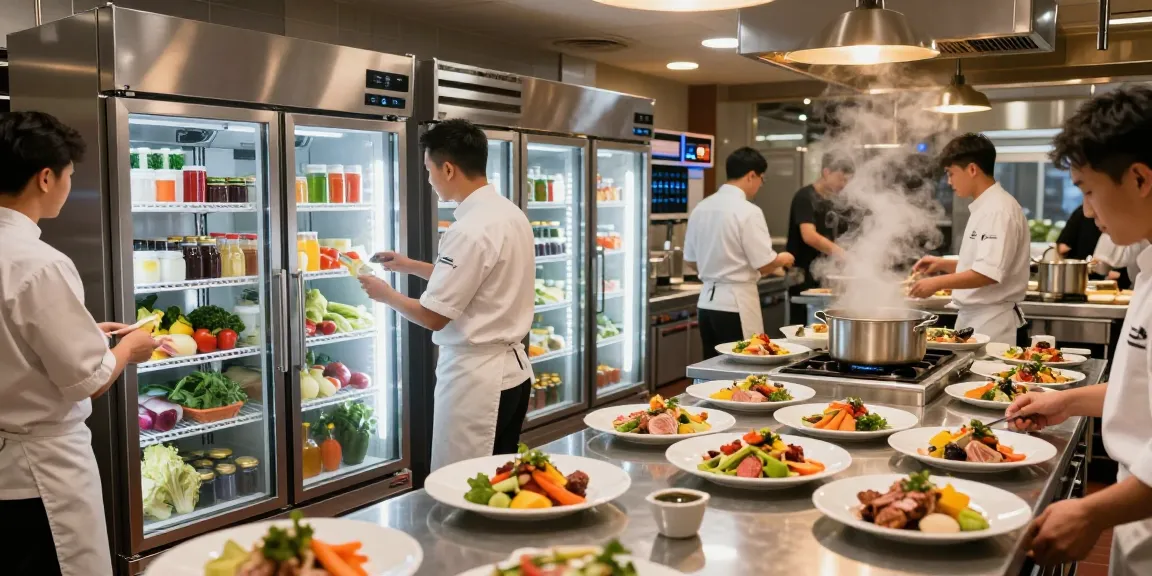
Understanding Commercial Refrigeration
In the bustling world of commercial kitchens and food service operations, the significance of Commercial Refrigeration cannot be overstated. It serves as the backbone for food preservation, ensuring that perishable items remain fresh and safe for consumption. From restaurants to grocery stores, understanding the ins and outs of these refrigeration systems can dramatically affect the quality of a business's offerings and ultimately its bottom line. This article delves into the various aspects of commercial refrigeration—its importance, types, and advancements—ensuring that your business remains competitive in an ever-evolving marketplace.
What is Commercial Refrigeration?
Commercial refrigeration refers to the technology and processes used to cool or freeze food and beverages in commercial settings. Unlike the domestic refrigerators found in homes, these systems are designed for larger capacities and greater efficiency. They integrate complex refrigeration cycles to maintain optimal temperatures for various types of food products. The primary objective is to prevent spoilage and maintain quality, which is crucial for compliance with health regulations and customer satisfaction.
Types of Commercial Refrigeration Systems
There are several types of commercial refrigeration systems tailored to meet specific needs. Each type serves distinct purposes within a commercial kitchen, including:
- Reach-In Refrigerators: These are essential for quick access to frequently used ingredients. They are available in one, two, or three-door configurations.
- Walk-In Coolers and Freezers: Ideal for businesses with significant storage needs, allowing easy access to bulk products.
- Display Refrigerators: Used in grocery stores and cafes, they showcase products while keeping them chilled.
- Iced Machines: A specific type of commercial refrigeration needed for bars, restaurants, and catering services.
Importance of Temperature Control
Maintaining precise temperature levels in refrigeration systems is crucial for food safety. The USDA recommends keeping refrigerators at 40°F (4°C) or lower and freezers at 0°F (-18°C) or lower to inhibit bacterial growth. Regular monitoring of these temperatures not only helps in maintaining food safety but also enhances energy efficiency, reducing operating costs. Implementing alarms and monitoring systems can alert staff to temperature fluctuations, ensuring that corrective actions can be promptly taken.
Choosing the Right Equipment for Your Business
Selecting the right commercial refrigeration equipment is vital to ensure that it meets your operational needs effectively. Businesses must consider their specific requirements, such as space, volume of food storage, and the types of items being stored.
Key Features to Look for in Refrigerators
When shopping for commercial refrigeration, it’s essential to evaluate certain key features:
- Energy Efficiency: Look for Energy Star-rated models to save on electricity costs.
- Durability: Stainless steel construction is preferred for its resistance to corrosion and ease of cleaning.
- Temperature Control: Digital temperature displays with accurate readings enable better monitoring.
- Interior Layout: Adjustable shelves and compartments can enhance storage efficiency.
Comparing Brands and Models in 2026
The market for commercial refrigeration is filled with numerous brands and models. As of 2026, popular brands like Traulsen, True Refrigeration, and Manitowoc have made significant advancements in technology and efficiency. When comparing models, consider factors such as warranty options, customer service reputation, and user reviews. Investing in reputable brands often leads to long-term reliability and lower maintenance costs.
Budgeting for Commercial Refrigeration
Budgeting for commercial refrigeration involves not only the initial purchase price but also ongoing costs such as energy consumption and maintenance. Businesses should allocate at least 15-20% of their total kitchen equipment budget for refrigeration. It’s wise to perform a cost-benefit analysis, considering the potential savings from energy-efficient models versus their higher upfront costs.
Installation and Maintenance Best Practices
The installation and upkeep of commercial refrigeration systems are pivotal to their performance. Proper installation minimizes the risk of malfunctions and enhances operational efficiency.
Step-by-Step Installation Guide
1. Ensure proper electrical and plumbing connections are in place before installation.
2. Position the refrigeration unit in a well-ventilated area, away from heat sources.
3. Level the unit to ensure proper operation of doors and seals.
4. Follow the manufacturer's guidelines for setup and calibration.
Regular Maintenance Schedule
Establishing a routine maintenance schedule can prolong the life of your refrigeration equipment:
- Monthly: Clean condenser coils and check door seals.
- Quarterly: Inspect refrigerant levels and perform a performance check.
- Annually: Schedule a professional servicing to check for leaks and system performance.
Signs Your Equipment Needs Repair
It’s important to be vigilant for warning signs that may indicate the need for repairs:
- Inconsistent temperatures inside the unit.
- Unusual noises coming from the compressor.
- Excessive frost buildup in freezers.
- Increased electricity bills without clear explanation.
Energy Efficiency in Commercial Refrigeration
As energy costs continue to rise, energy efficiency has become a critical consideration for businesses in the food service industry. Employing energy-efficient refrigeration solutions can lead to significant savings on utility bills while contributing to environmental sustainability.
Understanding Energy Ratings and Certifications
Energy ratings, like those from Energy Star, provide valuable insights into the efficiency of refrigeration units. Choosing models that meet or exceed these standards helps ensure compliance with energy regulations while optimizing operational costs.
Tips to Reduce Energy Costs
To minimize energy consumption in commercial refrigeration:
- Keep doors closed as much as possible and install door closers.
- Regularly maintain and clean components to maximize efficiency.
- Consider using night blinds on display cases to reduce energy use after hours.
- Invest in LED lighting within units for better illumination with less energy consumption.
Future Trends in Eco-Friendly Refrigeration Technology
As the focus on sustainability grows, so does innovation in eco-friendly refrigeration technologies. Companies are exploring natural refrigerants and systems that utilize solar energy, leading to lower carbon footprints and potentially lower operational costs for businesses that adopt these technologies early.
Maximizing the Benefits of Your Refrigeration System
To fully leverage the capabilities of your commercial refrigeration system, it’s important to integrate it well into your overall business strategy.
Effective Inventory Management with Refrigeration
Implementing a robust inventory management system can assist in tracking stock levels and minimizing waste. Utilizing refrigeration effectively allows businesses to store larger quantities of perishable goods, ensuring redundant stocks are available without compromising quality.
Training Staff on Proper Use and Care
Staff training on the operational aspects and maintenance of refrigeration systems can prevent costly mistakes. Regular workshops can help employees understand the importance of maintaining appropriate temperatures and recognizing early signs of malfunction.
Adapting to Future Trends in Food Service
As consumer preferences shift towards sustainable and locally-sourced foods, businesses must adapt their refrigeration strategies accordingly. This includes investing in systems designed for specialized storage of such products, ensuring that businesses can meet customer demands efficiently.
What are the benefits of commercial refrigeration?
Commercial refrigeration systems not only enhance food safety but also improve operational efficiency, allowing businesses to serve customers better and manage inventory effectively.
How do I choose the right commercial refrigerator for my business?
Consider the specific needs of your business, including the type of food stored, required storage space, and energy efficiency ratings when selecting a commercial refrigerator.
What maintenance is required for commercial refrigeration systems?
Regular cleaning, monitoring temperatures, and professional servicing are key maintenance practices that help ensure optimal performance and longevity of refrigeration systems.
How can energy efficiency be improved in commercial refrigeration?
By choosing energy-efficient models, regularly maintaining equipment, and adopting best practices for energy consumption, businesses can significantly reduce their energy use.
What are the latest trends in commercial refrigeration technology?
Current trends include the use of natural refrigerants, IoT connectivity for monitoring systems, and increasingly energy-efficient models designed to meet growing sustainability standards.