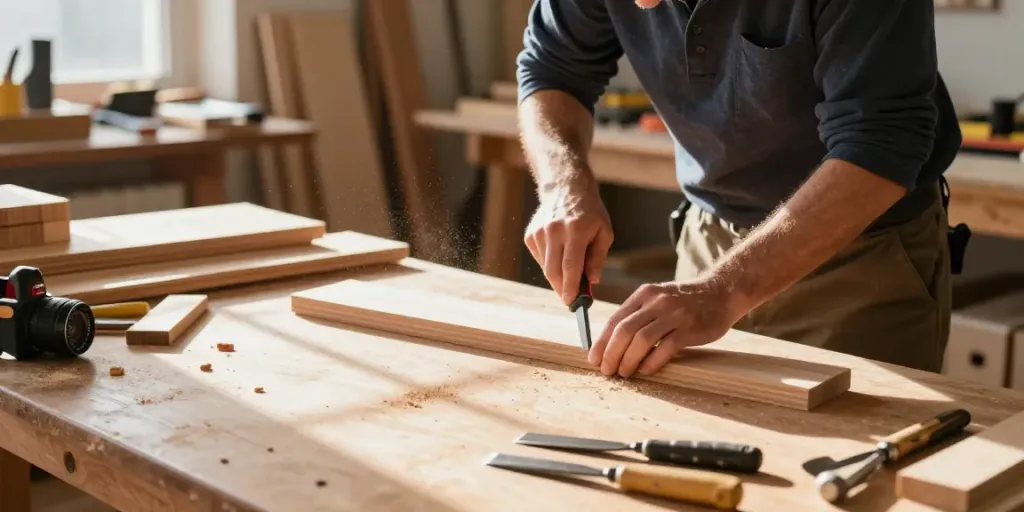
Introduction to Festool Knives: A Craftsman's Essential Tool
In the world of woodworking and construction, having the right tools can significantly impact the quality of your work. Among these tools, the festool knife stands out as an essential instrument for professionals and enthusiasts alike. Known for their precision, durability, and ergonomic design, Festool knives are more than just cutting instruments; they embody the craftsmanship and attention to detail that Festool has cultivated over decades. This article will delve into the various types of Festool knives available, their key features, and the advantages they offer to woodworking professionals striving for excellence in their craft.
1. Overview of Festool Knife Types
Festool offers a variety of knives tailored to meet the needs of different woodworking tasks. The most popular options include the Festool Working Knife, Folding Utility Knife, and specialty knives designed for specific crafts like upholstery or cabinetry. Each knife type is engineered with a unique purpose, ensuring that there is a suitable option for every professional's toolkit.
- Festool Working Knife: This versatile knife is ideal for general cutting tasks, featuring a robust blade that can handle various materials.
- Folding Utility Knife: Known for its portability, this knife is perfect for on-the-go professionals who need a reliable cutting tool that fits easily into a pocket.
- Specialty Knives: These knives are crafted for specific applications, such as crafting intricate designs or performing detailed finishes.
2. Key Features of the Festool Knife
Several features distinguish Festool knives from other tools on the market:
- Quality Blade Material: Festool knives commonly use 3Cr13 stainless steel, known for its superior strength and edge retention.
- Ergonomic Design: The handles are designed to fit comfortably in the hand, reducing fatigue during extended use.
- Easy Blade Replacement: Most models include a simple mechanism for swapping out dull blades, ensuring continued performance without hassle.
3. Benefits for Woodworking Professionals
The benefits of using a Festool knife extend beyond its physical attributes. For woodworking professionals, the right knife can enhance productivity and precision. This tool's reliable performance allows users to make clean cuts, which is particularly important when working with fine materials. Furthermore, the ergonomic design can reduce the risk of repetitive strain injuries, making it a smart investment for those who spend long hours working on projects.
Analyzing Material Quality: The Steel Behind the Blade
1. Understanding 3Cr13 Stainless Steel
3Cr13 stainless steel is a grade of steel well-regarded for its balance of hardness and corrosion resistance. This material ensures that the blades of Festool knives can maintain their sharpness longer than many common alternatives, leading to better performance over time. Its chemical composition includes chromium, which enhances resistance to rust, making it suitable for use in various environments.
2. Why Blade Material Matters in Crafting
The material used in crafting the blade directly influences the knife's overall effectiveness. For example, a sharper blade made from high-quality steel will enable more precise cuts, which is crucial for intricate woodworking tasks. If the blade dulls quickly or chips easily, the quality of the finished work can suffer significantly. As such, investing in a knife that features superior blade material is essential for any serious woodworker.
3. Comparing Festool Knife Steel with Competitors
When compared to competitors' knives, Festool's use of 3Cr13 stainless steel often comes out on top regarding durability and performance. Many competing knives may use lower-quality materials that compromise their longevity and cutting effectiveness. Festool’s commitment to quality means that users can depend on their knives to perform consistently, making them a preferred choice among professionals.
Ergonomics and User Experience: Handling the Festool Knife
1. Design Features for Comfort and Safety
Festool knives are designed with user comfort in mind. Features such as rubberized grips and finger guards help to enhance safety and prevent slippage during use. The overall balance of the knife contributes to a more controlled cutting action, which is crucial for both safety and precision.
2. User Testimonials on Handling Experience
Many users report that the Festool knife feels comfortable in hand, allowing for extended periods of use without discomfort. Testimonials frequently highlight the positive ergonomic design, which helps reduce hand strain and improve overall cutting control. This aspect of the knife is particularly valued by professionals who rely on precision for their work.
3. Importance of Ergonomics in Professional Use
In a professional environment, ergonomics is not just about comfort; it can impact productivity and reduce the risk of injuries. Tools designed with ergonomic principles in mind can make a large difference over time, especially for users who perform repetitive cutting tasks. Investing in ergonomic tools like the Festool knife is therefore beneficial for long-term health and efficiency.
Practical Applications: Using the Festool Knife Effectively
1. Techniques for Precision Cutting with Festool Knife
Using the Festool knife effectively involves mastering various cutting techniques. For example, using a light touch while allowing the blade to do the work can produce cleaner cuts. Practicing on scrap materials before starting on a final project can also help users become familiar with the knife’s handling characteristics.
2. Best Practices for Maintenance and Care
To ensure optimal performance and longevity, regular maintenance of the Festool knife is critical. Users should keep the blade clean and occasionally sharpen it to maintain its edge. Storing the knife in a safe, dry location can also prevent rust and deterioration, extending its useful life.
3. Real-world Applications in Woodworking Projects
Festool knives can be used effectively across a wide array of woodworking applications, from cutting through cardboard and plastic sheeting to delicate trimming tasks on fine furniture. Their versatility makes them an indispensable part of a woodworker's toolkit, allowing for seamless transitions between tasks without the need for multiple tools.
Future Trends in Tool Design: What’s Next for Festool Knives?
1. Innovations Expected in 2026
The future of tool design is leaning towards greater integration of technology and functionality. Innovations such as smart knife features that monitor blade sharpness or guide users in cutting precision are on the horizon. Festool is likely to lead the charge in incorporating these advancements to enhance the user experience.
2. Feedback from Professional Users and Experts
Continuous feedback from professionals is vital for improving tool design. Festool actively engages with its users to understand their pain points, which drives the development of new features that meet the evolving needs of craftsmen. This close relationship with the user community is a hallmark of Festool’s design philosophy.
3. Predictions for the Evolution of Craft Tools
As more professionals embrace sustainability and eco-practices, the craft tool market is expected to shift toward more environmentally friendly materials and manufacturing processes. Festool is positioned to stay ahead of this trend by innovating while maintaining the quality and performance that users have come to expect.
What are the advantages of using a Festool knife?
The principal advantages include exceptional build quality, reliability, and ergonomic design, which collectively enhance both performance and user comfort during extended use.
How does the material quality of a Festool knife impact performance?
High-quality materials like 3Cr13 stainless steel contribute to better edge retention, durability, and resistance to wear, all of which significantly elevate the knife's overall performance.
What ergonomic features should one look for in a knife?
Key ergonomic features include a comfortable grip, proper balance, and safety elements that prevent slipping, all of which can reduce fatigue and enhance the user experience.
In what woodworking tasks is a Festool knife particularly useful?
Festool knives excel in precision tasks, including trimming edges, cutting intricate shapes, and general crafting work, making them indispensable in various woodworking projects.