The Evolution of Smart Thermostats: A 2026 Perspective
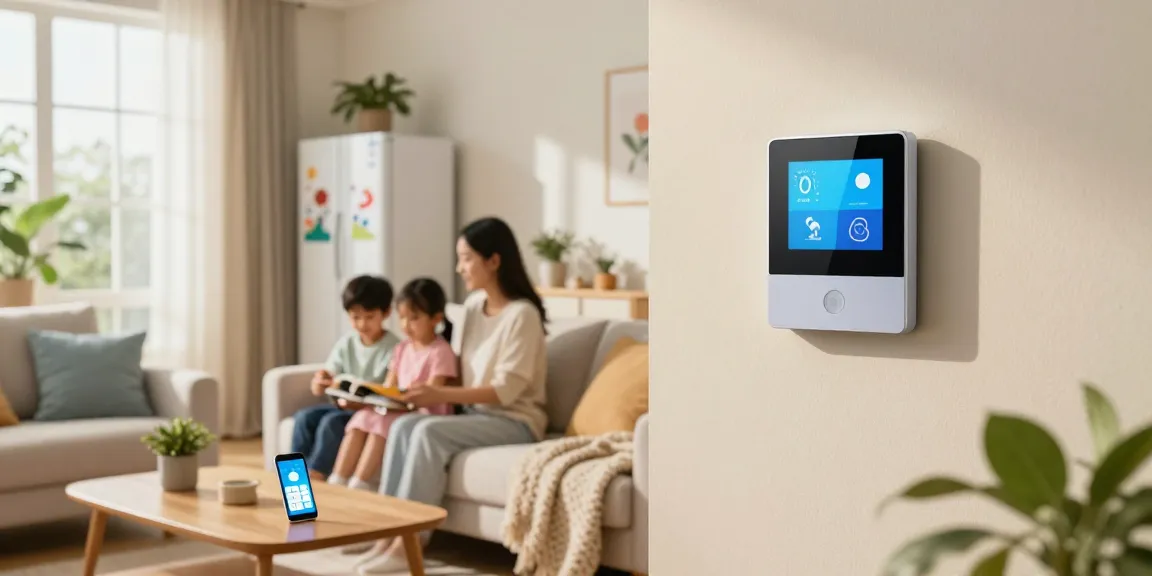
The smart thermostat has revolutionized the way we manage heating and cooling in our homes. These devices have transitioned from basic programmable models to sophisticated systems that learn our habits and integrate seamlessly into our smart home ecosystems. As we look forward to 2026, it’s crucial to examine the journey of thermostat technology, how it has shaped consumer expectations, and the role it plays in the drive for energy efficiency and convenience.
Historical Overview of Thermostat Technology
Initially, thermostats were simple mechanical devices, allowing homeowners to set a desired temperature manually. As technology advanced, digital thermostats entered the market, offering improved accuracy and basic programming features. However, the true evolution began with the advent of smart thermostats, which incorporate Wi-Fi connectivity and intelligent algorithms.
Key Innovations Leading to Current Models
Modern smart thermostats come equipped with a variety of advanced features that enhance user experience. Voice control compatibility, integration with smart home systems, and geofencing capabilities are just a few of the innovations driving their popularity. The introduction of machine learning allows these devices to adapt to our routines and preferences, optimizing heating and cooling schedules for maximum efficiency.
Consumer Demand and Market Growth Trends
The demand for smart thermostats is climbing steadily, driven by rising energy costs and increased awareness of environmental impact. According to recent reports, the global smart thermostat market is projected to reach nearly $5 billion by 2026. A crucial player in this market is the smart thermostat, offering a blend of convenience, energy savings, and user-friendly technology, reflecting the evolving needs of modern homeowners.
How Smart Thermostats Enhance Home Energy Efficiency
As energy efficiency becomes a focal point for homeowners, smart thermostats offer innovative solutions to reduce consumption while maintaining comfort. By utilizing various features, these devices provide tangible benefits that can lead to significant cost savings on energy bills.
Understanding Smart Thermostat Features
Key features of smart thermostats include remote access via mobile apps, learning algorithms that adjust temperatures based on user preferences, and energy usage reports that provide insights into consumption patterns. These capabilities empower homeowners to make informed decisions about their heating and cooling practices.
Energy Savings: Facts and Figures
Studies have shown that smart thermostats can lead to an average energy saving of 10-15% on heating and cooling costs. Depending on regional energy prices, this can translate to substantial savings over time. With the increasing implementation of energy-efficient features, these devices not only contribute to lower energy bills but also align with broader sustainability goals.
Real-Life Case Studies of Cost Savings
Several case studies highlight the impact of smart thermostats on energy consumption. A family in California reported a 20% decrease in their heating and cooling bills after installing a popular smart thermostat. Similarly, a small business in New York managed to save nearly $200 annually by utilizing a smart thermostat to regulate their HVAC system more effectively.
Integrating Smart Thermostats with Smart Home Systems
One of the most significant advantages of smart thermostats is their ability to integrate with other smart home devices, creating a cohesive and automated living space. This integration allows for more efficient systems and enhanced user convenience.
Compatibility with Other Smart Devices
Smart thermostats are designed to work with various smart home ecosystems, including Amazon Alexa, Google Assistant, and Apple HomeKit. This compatibility ensures that users can control their heating and cooling systems from multiple access points, simplifying management and enhancing user experience.
Automation for Seamless Living Experiences
Through automation, smart thermostats can be programmed to adjust settings based on time of day, occupancy, and even weather forecasts. For instance, they can lower temperatures when the house is empty or adjust settings automatically based on the homeowner’s location, maximizing both comfort and efficiency.
Key Considerations for Smart Home Setup
When setting up a smart home system, it’s essential to consider compatibility and installation requirements. Homeowners should ensure their existing HVAC systems work with their chosen smart thermostat model and consider consulting with a professional for installation, particularly if retrofitting older systems.
Choosing the Right Smart Thermostat for Your Home
With numerous options available, selecting the right smart thermostat can be daunting. Understanding the essential features and evaluating various models is key to making an informed decision.
Top Brands and Models in 2026
As we enter 2026, several smart thermostat brands stand out for their innovative features and user satisfaction. Ecobee, Nest, and Honeywell are among the leading brands, consistently receiving high marks for their performance and reliability.
Essential Features: What to Look For
When choosing a smart thermostat, look for features such as energy tracking, compatibility with voice assistants, remote access through mobile apps, and learning capabilities that enhance user control and comfort. Additionally, consider models with built-in sensors to optimize performance based on room occupancy or environmental changes.
Budget vs. Premium Options: Finding Value
Smart thermostats come in a range of prices, from budget-friendly options to premium models with advanced features. It’s crucial to evaluate your needs and determine what features are most important to you. While premium options may offer enhanced capabilities, there are cost-effective models available that provide significant savings and comfort.
The Future of Smart Thermostats: Trends and Predictions
As technology continues to evolve, so do smart thermostats. Emerging trends in the market hint at even more innovative solutions for homeowners looking to enhance energy efficiency and comfort.
Emerging Technologies to Watch
Future smart thermostats may include advanced AI capabilities, allowing them to predict user habits more accurately or even suggest energy-saving measures based on real-time data. Additionally, integrations with renewable energy sources, such as solar panels, could further enhance energy efficiency.
Consumer Preferences Shaping Future Models
The demand for sustainability and energy-efficient solutions will continue to influence the design and features of smart thermostats. Consumers are increasingly prioritizing products that not only save them money but also contribute to reducing their environmental footprint.
Regulatory Impacts on Smart Home Devices
Government regulations aimed at promoting energy efficiency may drive innovation within the smart thermostat market. Incentives for homeowners who install energy-saving devices could encourage broader adoption and enhance the overall impact on energy consumption reduction.
What are the advantages of using a smart thermostat?
Smart thermostats offer numerous advantages, including energy savings, enhanced comfort, and greater control over home heating and cooling systems. They allow homeowners to monitor and adjust their HVAC systems remotely, leading to increased convenience and efficiency.
How do smart thermostats save energy?
By learning user preferences and adapting to occupancy patterns, smart thermostats optimize heating and cooling schedules, reducing energy consumption. Features such as geofencing and usage reports also aid homeowners in making informed decisions about energy use.
Can a smart thermostat work with all HVAC systems?
Most smart thermostats are compatible with a wide range of HVAC systems, including central heating, heat pumps, and even some electric heating systems. However, it’s important to verify compatibility with your specific system before making a purchase.
What features should I prioritize when choosing a smart thermostat?
Look for essential features such as remote access, voice control compatibility, energy tracking, and learning capabilities. Additional features like humidity control and multi-room sensors can also significantly enhance comfort and efficiency.
How to troubleshoot common smart thermostat issues?
Common issues with smart thermostats include connectivity problems, incorrect temperature readings, and battery failures. A systematic approach to troubleshooting involves checking Wi-Fi connections, recalibrating sensors, and ensuring that the device has adequate power.